
Best Skincare for Cancer Treatments: Natural Ways to Support Skin During Chemotherapy and Radiation
Posted by T. Coffey on Oct 27th 2026
The Best Skincare for Cancer Treatment: Natural Ways to Support Skin During Chemotherapy and Radiation
Cancer treatment can be demanding enough without the added discomfort of dry, sensitive or irritated skin. Radiation therapy and certain chemotherapy medications can affect the skin in different ways, leaving it feeling dry, tight, itchy, red or unusually sensitive.
Choosing the right skincare routine can help maintain moisture, support the skin barrier and make everyday skin care more comfortable.
At My Girls Skin Care, we believe that caring for your skin during cancer treatment should be gentle, thoughtful and informed by both experience and evidence. Our botanical-based skincare was developed from founder Theresa Keresztes's personal experience with breast cancer treatment and a desire to offer supportive skincare options for people navigating sensitive, treatment-stressed skin.
In this guide, we explore what to look for in skincare during cancer treatment, the role of natural ingredients such as calendula, and how My Girls Skin Care products may fit into a gentle daily routine.
How Can Cancer Treatment Affect Your Skin?
Radiation therapy targets cancer cells but can also affect healthy skin cells within the treatment area. Depending on the treatment and individual, skin changes may include:
-
Dryness, tightness and itching
-
Redness and tenderness
-
Peeling or increased sensitivity
-
Changes in skin texture and moisture
-
More significant reactions that require medical attention
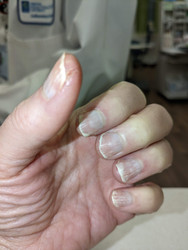
Certain chemotherapy medications can also cause dry skin, rashes, nail changes and hand-foot syndrome, a reaction that may involve redness, tenderness, swelling or cracking on the palms and soles.
Not everyone experiences these effects, and different cancer treatments can produce different skin reactions.
The goal of supportive skincare is to maintain hydration and comfort—not to replace medical care or guarantee that treatment-related skin reactions can be prevented.
What Should You Look for in Skincare During Cancer Treatment?
When choosing skincare for sensitive skin during chemotherapy or radiation therapy, consider these priorities.
1. Gentle, fragrance-free formulations
Fragrances, essential oils and other ingredients can irritate some sensitive skin. A simple, fragrance-free moisturizer may be a sensible starting point, especially if your skin has become more reactive during treatment.
2. Moisturizing ingredients
Ingredients such as glycerin, ceramides and selected plant oils can help maintain skin hydration and reduce moisture loss.
The best formula is one that suits your skin, contains ingredients you tolerate and is appropriate for the area where you intend to use it.
3. A routine you can maintain
You do not necessarily need a complicated skincare regimen. Gentle cleansing, regular moisturizing and appropriate sun protection can form the foundation of everyday skin care.
4. Guidance from your oncology team
Before introducing a new product to an area receiving radiation, ask your radiation oncology team which products to use and when to apply them.
If skin becomes blistered, open, weeping or significantly painful, seek medical advice before applying an ordinary cosmetic moisturizer.
Why Consider Calendula-Based Skincare?
Calendula officinalis is a flowering plant traditionally used in botanical skincare. Calendula extracts are included in some topical products intended to moisturize and soothe the skin.
At My Girls Skin Care, calendula is a signature ingredient in our Radiation Burn Care Cream. The formula also features rose petals and nourishing natural oils.
These ingredients reflect our focus on botanical-based skincare for sensitive skin.
What does the research say?
Calendula has been studied in connection with radiation-induced skin reactions, but results have been mixed. The Oncology Nursing Society's guidance does not recommend calendula specifically for preventing radiation dermatitis because the available evidence is insufficient.
This distinction matters: an ingredient's traditional use or promising laboratory findings do not establish that a finished product prevents radiation burns or treats damaged skin.
Our approach is to encourage informed product choices, careful attention to ingredients and open communication with your healthcare team.
Meet My Girls Skin Care: Botanical Skincare for Sensitive Skin
My Girls Skin Care was founded by Theresa Keresztes following her own experience with breast cancer treatment. The brand grew from a desire to create gentle skincare options for people dealing with the dryness and sensitivity that can accompany treatment.
Our products are designed for topical cosmetic use and to help maintain the healthy appearance of the skin. They are not intended to diagnose, treat, cure or prevent disease.
Here are three products to explore based on your skincare needs.
My Girls Radiation Burn Care Cream
Our signature calendula-based cream combines calendula, rose petals and natural oils in a moisturizer developed with radiation-sensitive skin in mind.
It may be worth discussing with your oncology team if you are looking for a botanical moisturizer for dry, sensitive skin during or after radiation therapy.
Explore: My Girls Skin Care Radiation Cream
MARI-GOLD Barrier Cream
For people concerned about dryness and sensitivity, MARI-GOLD Barrier Cream offers another option within the My Girls Skin Care range.

Certain chemotherapy medications can be associated with hand-foot syndrome. If you experience redness, tenderness, cracking or other changes in your hands or feet, speak with your oncology team promptly. They can recommend the appropriate care and determine whether a cosmetic moisturizer is suitable for your symptoms.
Explore: Shop My Girls Skin Care
Super Moisture for Very Dry Skin
When dryness is the primary concern, a moisturizer formulated for very dry skin may be worth considering.
Choose products according to your individual skin needs and ingredient sensitivities. If you are receiving active treatment, ask your healthcare team whether the product is suitable for the area you want to moisturize.
Explore: My Girls Skin Care
Natural Skincare and Other Moisturizers: What Is the Difference?
There is no single best moisturizer for every person undergoing cancer treatment. Both botanical-based and conventional fragrance-free moisturizers can have a place in a supportive skincare routine.
Here is a practical comparison:
| Skincare option | Potential role |
|---|---|
| Calendula-based cream | A botanical moisturizing option for people who tolerate calendula |
| Ceramide moisturizer | Helps support the skin's natural moisture barrier |
| Glycerin-based moisturizer | Helps attract and retain water in the skin |
| Fragrance-free cream containing plant oils | Helps soften dry skin and reduce moisture loss |
| Clinician-recommended wound care | Appropriate when skin is broken, blistered or otherwise damaged, according to medical guidance |
The label “natural” does not automatically mean that a product is safer or more effective. Botanical ingredients can also trigger allergies or irritation. Review ingredient lists carefully, particularly if you have known plant allergies.
The best choice is one that suits your skin, meets your treatment team's recommendations and provides the type of moisturizing support you need.
Five Practical Tips for Caring for Your Skin During Cancer Treatment
1. Cleanse gently
Use lukewarm water and a mild cleanser. Avoid harsh soaps, abrasive scrubs and unnecessary exfoliation.
2. Moisturize consistently
Apply a suitable moisturizer to intact skin according to its directions and your healthcare team's advice. Follow your radiation center's instructions about timing before and after treatment sessions.
3. Protect your skin from the sun
Some cancer treatments increase sun sensitivity, and treated skin may need additional protection. Use protective clothing and seek advice about a broad-spectrum sunscreen appropriate for your skin and treatment area.
4. Avoid experimenting with strong active ingredients
Retinoids, exfoliating acids, essential oils and strongly fragranced products may irritate sensitive skin. Discuss unfamiliar products with your oncology team before use.
5. Report skin changes early
Do not wait for a skin reaction to become severe. Contact your care team about worsening redness, pain, peeling, blistering, open sores, drainage or other concerning changes.
A moisturizer can be part of a supportive routine, but it is not a substitute for medical evaluation or treatment when a significant reaction develops.
Frequently Asked Questions About Skincare During Cancer Treatment
What is the best skincare for cancer treatment?
There is no universal best product. Many people benefit from gentle cleansing and a suitable fragrance-free moisturizer. The right choice depends on the treatment, skin symptoms, ingredient sensitivities and advice from the oncology team.
Is calendula cream good for radiation-treated skin?
Calendula is used in botanical skincare and has been studied for radiation-related skin reactions. However, clinical evidence is mixed, and calendula has not been established as a reliable way to prevent radiation dermatitis. Ask your radiation oncology team whether a particular calendula cream is appropriate for you.
Can I use My Girls Skin Care during radiation therapy?
Our products are topical cosmetic moisturizers. If you are receiving radiation, consult your radiation oncology team about which moisturizer to use on the treatment area and when to apply it. Do not apply ordinary cosmetic products to open or blistered skin unless your healthcare team specifically advises you to do so.
What skincare is helpful during chemotherapy?
A gentle cleanser and moisturizer may help with ordinary dryness. However, certain chemotherapy medications cause specific skin reactions that require treatment-specific guidance. Report new rashes, painful cracking or hand-foot symptoms to your oncology team rather than relying on skincare alone.
Is plant-based skincare always better for sensitive skin?
No. Plant-based ingredients can be beneficial in well-formulated moisturizers, but they can also cause allergic reactions or irritation. A product's full formulation and your individual tolerance matter more than whether its ingredients are natural or synthetic.
Caring for Your Skin with Compassion
Cancer treatment can change how your skin looks and feels, adding another challenge to an already demanding experience.
At My Girls Skin Care, our mission is to offer thoughtfully formulated botanical skincare for people seeking gentle moisturizers for sensitive, treatment-stressed skin. We are grateful to the patients, caregivers and healthcare professionals who have shared their experiences with our products over the years.
We believe that informed choices, compassionate care and a simple, appropriate skincare routine can help make daily self-care a little more comfortable.
Explore My Girls Skin Care: www.mygirlscream.com
Important note: My Girls Skin Care products are intended for topical cosmetic use to help maintain the healthy appearance of skin. They are not intended to diagnose, treat, cure or prevent disease. Always follow your oncology team's recommendations during and after cancer treatment.